
Home → Blog → The Role of Property Manager Mold Remediation in Texas
The Role of Property Manager Mold Remediation in Texas
May 27, 2026
The Role of Property Manager Mold Remediation in Texas
Mold is one of the most legally and financially consequential problems a Texas property manager can face. The role of property manager mold remediation goes far beyond calling a cleaning crew. You sit at the center of a chain that connects tenant health, habitability law, licensed contractors, and documented evidence. Get any link in that chain wrong and you’re looking at repair costs that multiply, tenant disputes that escalate, and liability exposure that your insurance may not cover if you used an unlicensed contractor. This guide breaks down exactly what your responsibilities are, what Texas law requires, and how to manage mold issues without leaving yourself exposed.
Table of Contents
- Key Takeaways
- The role of property manager mold remediation starts with fast action
- Why moisture control is the foundation, not an afterthought
- When licensed contractors are legally required in Texas
- Documentation as a risk management tool
- Preventing recurrence and managing tenant concerns
- My take on what most property managers get wrong
- Find licensed mold contractors for your Texas county
- FAQ
Key Takeaways
| Point | Details |
|---|---|
| Respond within days, not weeks | Professional remediation within 10 to 15 days of a tenant report is the recognized standard for maintaining habitability. |
| Fix moisture before mold removal | Cleaning mold without correcting the moisture source guarantees recurrence and wasted remediation costs. |
| Texas requires licensed contractors | Mold assessment and remediation above minor thresholds must be handled by separate TDLR-licensed professionals. |
| Documentation is your legal shield | Every tenant report, inspection finding, and repair step must be recorded with dates to protect against disputes. |
| Tenant communication is non-negotiable | Retaliation against tenants who report mold is illegal; transparent updates reduce conflict and legal risk. |
The role of property manager mold remediation starts with fast action
When a tenant reports mold, the clock starts immediately. Property managers must respond quickly, assess the situation, document all communications, identify the moisture source, and bring in certified remediation professionals for anything beyond minor surface mold. That is not optional advice. It is the operational baseline for anyone managing rental properties in Texas.
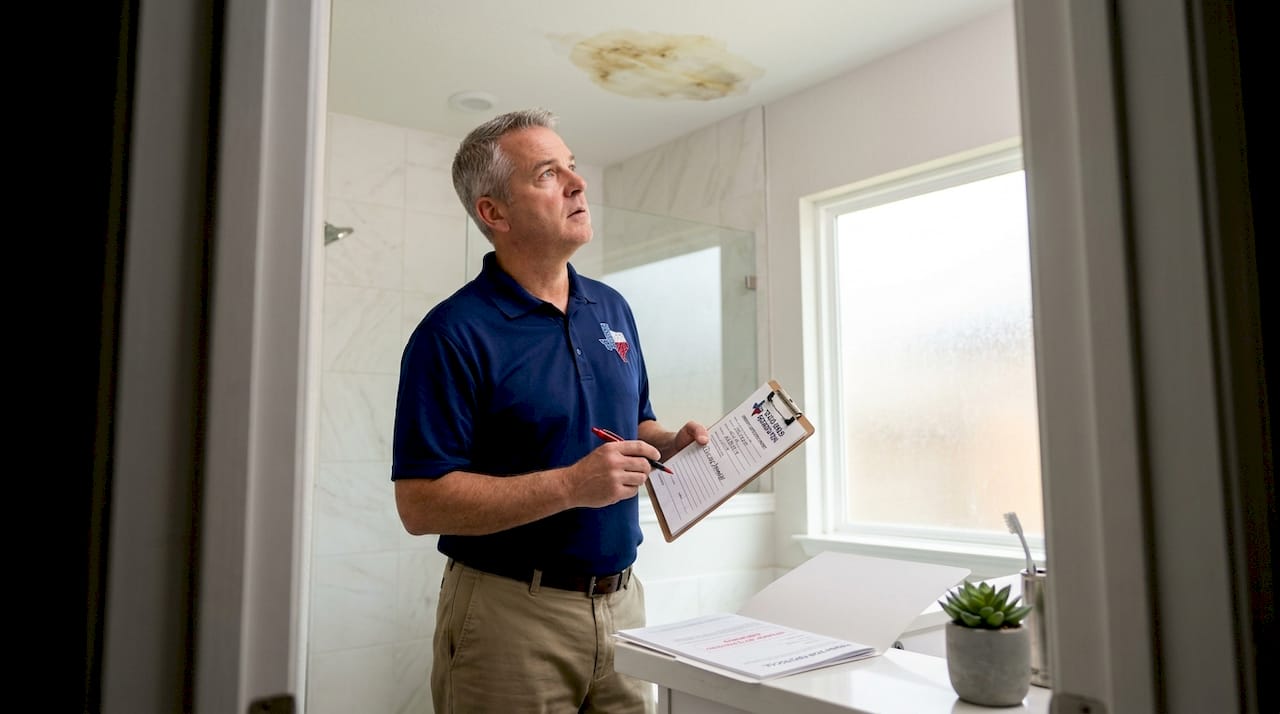
Your first step is acknowledging the report in writing. A text, email, or written letter creates a timestamped record that protects you if the situation escalates. Then you need eyes on the problem. Schedule a physical inspection within 24 to 48 hours of the report. Note the location, visible extent, and any obvious moisture indicators like water stains, condensation, or soft drywall.
The next decision point is whether the situation requires a licensed mold assessment consultant. In Texas, anything beyond a very small, isolated patch of mold on a non-porous surface should trigger professional involvement. Professional remediation within 10 to 15 days of a tenant report is the recognized benchmark for maintaining habitability and reducing liability. Waiting longer is not just a courtesy issue. Under the Texas Property Code, landlords must remediate conditions affecting tenant health after written notice, typically within seven days.
Pro Tip: Keep a dedicated mold response log for each property. Record every tenant communication, every inspection date, every contractor contact, and every repair completed. If a dispute goes to court or an insurance claim gets filed, this log is the difference between a defensible position and a costly settlement.
Why moisture control is the foundation, not an afterthought
Here is the misconception that gets property managers into trouble repeatedly: mold remediation is about removing visible mold. It is not. You cannot out-clean mold without eliminating moisture. If the moisture source stays active, mold returns within weeks regardless of how thorough the cleaning was.
Before any demolition, scrubbing, or treatment begins, the water source must be identified and corrected. Common culprits in Texas rental properties include:
- Roof leaks that channel water into wall cavities and attic insulation
- Plumbing leaks behind walls or under slab foundations
- HVAC condensate line clogs that allow water to pool near air handlers
- Poor bathroom and kitchen ventilation that traps humidity
- Inadequate exterior grading that directs rainwater toward the foundation
- Window and door seal failures that allow moisture infiltration during heavy rain
Some of these are straightforward. A leaking supply line under a sink is visible and fixable in an afternoon. Others are hidden. Moisture problems that lead to mold growth inside wall assemblies or under flooring require moisture meters, thermal imaging, or professional assessment to locate accurately.
EPA guidance is direct on sequencing: moisture source repair must precede cleanup, not run parallel to it. Scheduling remediation before the leak is fixed wastes money and puts you back at square one. The EPA also recommends maintaining indoor humidity between 30 and 50 percent as a long-term prevention measure. In Texas, where summer humidity regularly pushes past 70 percent outdoors, HVAC performance and ventilation maintenance are not optional extras. They are core property management responsibilities.
Successful mold remediation depends on identifying and fixing water and moisture sources, drying affected areas within 24 to 48 hours, and maintaining indoor humidity between 30 and 50 percent. Without moisture control, mold spores will regrow regardless of cleaning efforts.
When licensed contractors are legally required in Texas
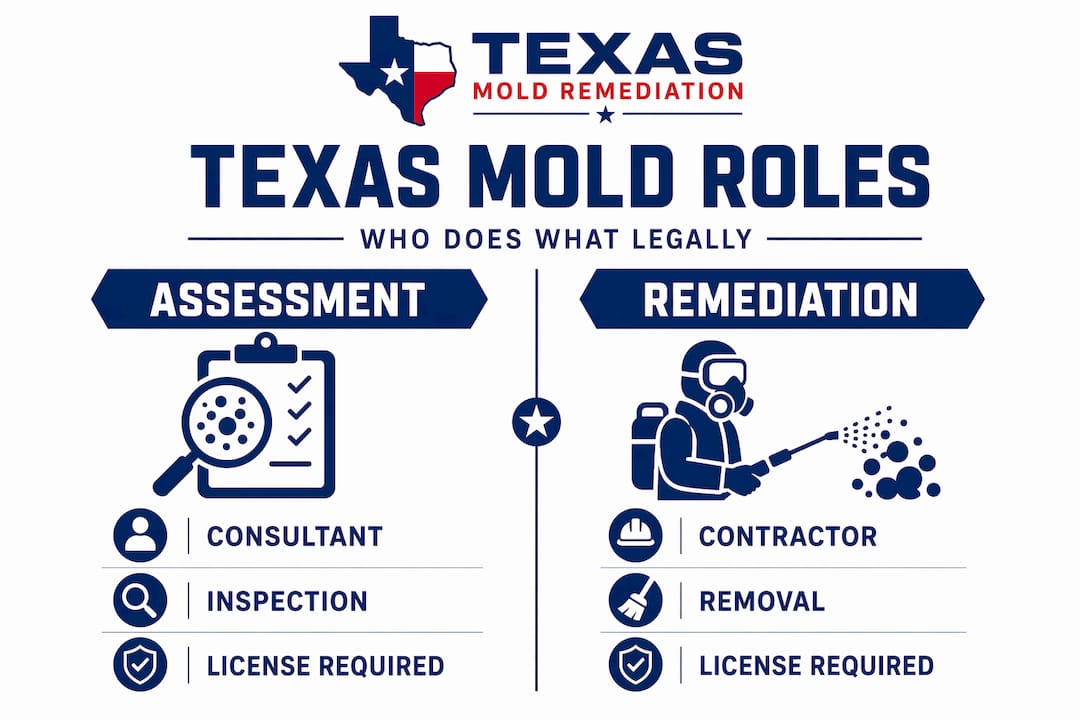
Texas does not leave the licensing question to interpretation. The Texas Mold Assessment and Remediation Rules, enforced through the Texas Department of Licensing and Regulation (TDLR), require that mold assessment and mold remediation above defined thresholds be performed by separate licensed entities. Texas law mandates separation of these roles specifically to prevent conflicts of interest. The contractor who assesses the problem cannot be the same contractor who performs the remediation work.
Here is a practical breakdown of what each role covers:
| Role | Function | Licensing Requirement |
|---|---|---|
| Mold Assessment Consultant | Inspects, samples, and writes the remediation protocol | TDLR Mold Assessment License |
| Mold Remediation Contractor | Executes the protocol: containment, removal, cleaning | TDLR Mold Remediation License |
| Clearance Tester | Post-remediation inspection to confirm safe air quality | Must be the original assessment consultant or equivalent |
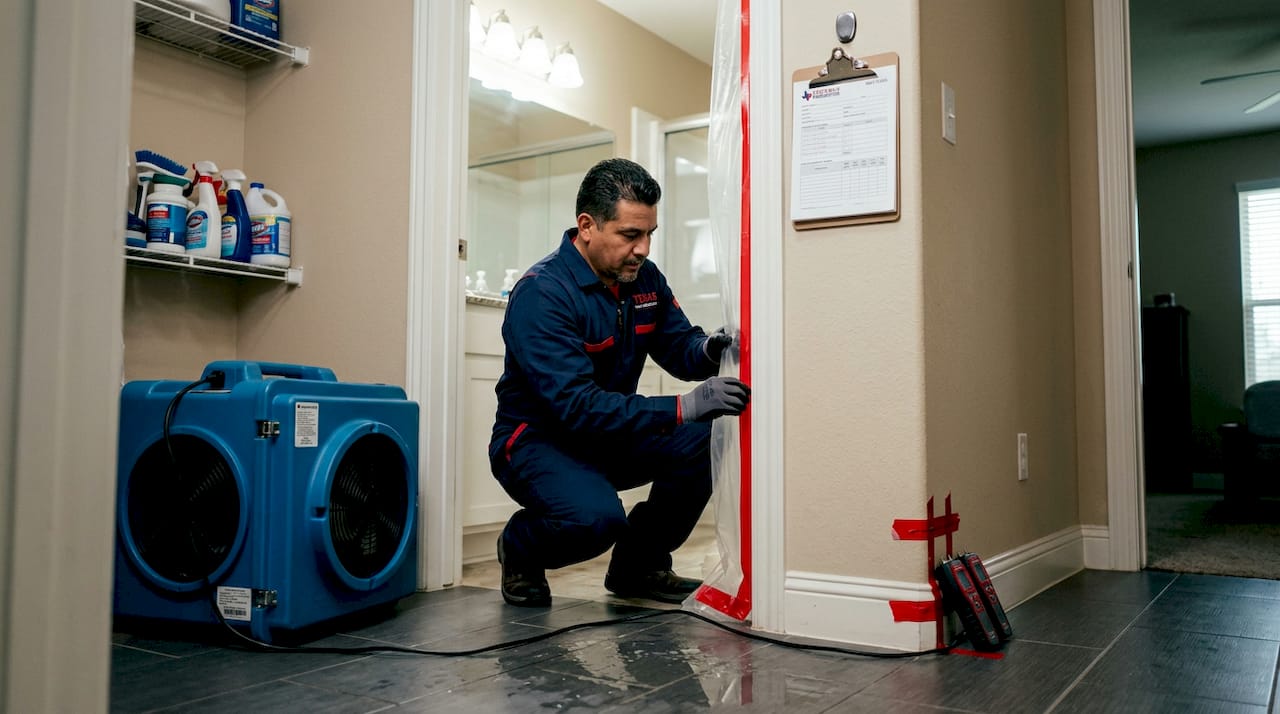
Professional remediation involves containment, removal, cleaning, and clearance testing to restore safe air quality, often using air scrubbers and negative pressure systems to prevent spore spread during the work. Clearance testing is the step many property managers skip to save money. That is a mistake. Without a clearance certificate, you have no documented proof that the property is safe for occupancy. That exposure is far more expensive than the cost of the test.
Cosmetic fixes fail when moisture is not corrected. Painting over mold or wiping down surfaces with bleach does not address porous materials like drywall, insulation, or wood framing that have absorbed moisture and mold growth. These materials typically require removal and replacement, not surface treatment.
Pro Tip: Before hiring any mold contractor in Texas, verify their TDLR license is current and active. Hiring an unlicensed contractor can void your insurance coverage and expose you to legal liability. Txmoldremediation maintains a county-by-county contractor directory sourced directly from TDLR and updated weekly.
Documentation as a risk management tool
The paper trail you build during a mold event is your primary defense if a tenant files a complaint, pursues legal action, or if an insurance claim becomes contested. Detailed documentation throughout remediation forms a defensive shield against liability and builds tenant trust when tenant reports, repairs, and remediation steps are recorded with dates and evidence.
What your documentation file should contain:
- The original tenant report with date and method of submission
- Your written acknowledgment and response timeline
- Inspection notes with photographs and moisture readings
- The licensed assessment consultant’s written protocol
- Contractor work orders, invoices, and completion certificates
- Clearance testing results signed by the assessment consultant
- Any follow-up inspections or maintenance work performed
Beyond the legal protection, documentation supports your insurance claims. If a tenant’s belongings are damaged by mold, or if a structural repair is needed, insurers will ask for evidence that you responded appropriately and used licensed professionals. Without that evidence, claims can be denied.
Retaliation against tenants who report mold is illegal, and property managers who reduce services, raise rent, or initiate eviction proceedings after a mold complaint face significant legal exposure. Transparent, regular communication with tenants throughout the remediation process is not just good practice. It is a legal obligation in spirit and, in many cases, in statute.
Preventing recurrence and managing tenant concerns
The most expensive mold event is the one that happens twice in the same unit. Recurrence almost always traces back to an incomplete moisture fix or a missed moisture source during the original remediation.
- Schedule annual property inspections that specifically check HVAC drain lines, roof penetrations, plumbing connections, and bathroom exhaust fan performance. These are the highest-frequency failure points in Texas rental properties.
- Educate tenants in writing at lease signing about their role in moisture control. Tenant habits and timely reporting directly influence mold outcomes. A tenant who runs the bathroom exhaust fan and reports a dripping faucet promptly is your best early warning system.
- Respond to any water intrusion event, including minor flooding, roof leaks, or appliance overflows, within 24 to 48 hours. Wet materials that dry within this window rarely develop mold. Materials that stay wet longer almost always do.
- Build relationships with TDLR-licensed assessment consultants and remediation contractors in your county before you need them. Emergency response is faster and more organized when you already have a vetted contact.
Pro Tip: Include a mold and moisture addendum in every lease that outlines tenant reporting responsibilities, your response timeline, and the tenant’s obligation to ventilate bathrooms and kitchens. This addendum strengthens your legal position and sets clear expectations from day one.
My take on what most property managers get wrong
I’ve watched property managers handle mold events well and handle them badly, and the difference almost never comes down to the severity of the mold itself. It comes down to how fast they moved and how much they documented.
The managers who get into trouble are the ones who treat the first tenant report as a nuisance rather than a liability trigger. They send maintenance to wipe down the wall, the tenant reports again two months later, and now there’s a pattern of inadequate response in writing. That pattern is what plaintiff attorneys look for.
What I’ve learned from watching Texas remediation projects play out is that the legal framework here is actually designed to protect property managers who follow it. The TDLR licensing separation, the clearance testing requirement, the written remediation protocol: these are not bureaucratic obstacles. They are a documented chain of professional accountability that, when followed, makes it very difficult for a tenant to claim you acted negligently.
The property managers I respect most treat mold reports the way a surgeon treats a pre-op checklist. Every step gets done in order, every step gets documented, and no step gets skipped because it seems unnecessary. That discipline is what separates a $3,000 remediation from a $30,000 legal settlement.
— Tucker
Find licensed mold contractors for your Texas county
When mold is confirmed in a rental property, the contractor you hire determines whether the problem gets resolved or gets worse. Txmoldremediation is a free TDLR contractor verification platform covering all 254 Texas counties, with directories updated weekly directly from state licensing data. Whether you manage properties in Orange County, Montgomery County, or anywhere else in the state, you can verify that any contractor you’re considering holds a current, active TDLR license before signing a work order. Hiring an unlicensed contractor in Texas is not just a compliance risk. It can void your insurance coverage entirely. Use the directory to find vetted professionals and protect both your tenants and your investment.
FAQ
What are a property manager’s first duties when mold is reported?
Acknowledge the report in writing immediately, schedule a physical inspection within 24 to 48 hours, document all findings with photographs, and engage a TDLR-licensed mold assessment consultant if the mold extends beyond a minor surface area.
Does Texas law require licensed contractors for mold remediation?
Yes. Texas requires separate TDLR licenses for mold assessment and mold remediation above defined thresholds, and the same contractor cannot perform both roles on the same project.
Why does mold keep coming back after remediation?
Mold recurs when the moisture source is not fully corrected before or during remediation. Cleaning mold without fixing the underlying leak or humidity problem allows spores to regrow within weeks.
How long does a property manager have to respond to a mold complaint in Texas?
Under the Texas Property Code, landlords must address conditions materially affecting tenant health and safety, including mold, within approximately seven days of receiving written notice from the tenant.
What records should a property manager keep during a mold event?
Keep the original tenant report, your written response, inspection notes with photos, the licensed assessment protocol, contractor invoices, and signed clearance testing results. This full record protects you legally and supports insurance claims.
Recommended
Find a Licensed Mold Contractor in Your Area
Search by city to find TDLR-verified mold remediation contractors near you — or call for a free consultation.